
public
Understanding the psychological triggers behind gambling behavior
Understanding the psychological triggers behind gambling behavior
Mục lục
- The Nature of Gambling Addiction
- Several psychological factors contribute to the development of gambling behavior. Emotional states, such as stress, anxiety, or depression, can heavily influence an individual’s decision to gamble. For some, gambling serves as a temporary escape from their problems, providing a distraction from negative feelings or a way to cope with life’s challenges. This escapism can inadvertently lead to a reliance on gambling as a primary source of emotional relief. Social influences also play a significant role in gambling behavior. Peer pressure and the desire for social acceptance can drive individuals to participate in gambling activities. People often feel compelled to engage in betting as a way to fit in with their peers or to enhance their social image. As they become more involved in gambling circles, the normalization of these behaviors can lead to increased participation and potential addiction. Additionally, the availability and accessibility of gambling, particularly through online platforms, have made it easier for individuals to engage in these activities. The convenience of placing bets from home reduces barriers to entry, allowing vulnerable individuals to gamble more frequently. This accessibility can exacerbate existing psychological issues and lead to heightened gambling behavior. The Role of Reinforcement in Gambling
- Effective coping mechanisms are vital for individuals who recognize their gambling behavior is problematic. Strategies such as self-exclusion, where individuals voluntarily restrict their access to gambling activities, can provide a necessary break from the cycle. Additionally, support groups can offer a sense of community and understanding, helping individuals share their experiences and learn from others who have faced similar challenges. Professional help can also be beneficial. Cognitive-behavioral therapy (CBT) is a commonly used approach that focuses on changing maladaptive thought patterns associated with gambling. By addressing the underlying cognitive distortions and emotional triggers, therapists can help individuals develop healthier coping mechanisms and improve their overall mental well-being. Furthermore, raising awareness about the psychological triggers behind gambling can empower individuals to seek help sooner. Educational programs that highlight the risks and signs of gambling addiction can foster a more informed community, encouraging those affected to reach out for support. Understanding the psychological aspects of gambling can lead to more effective prevention and treatment strategies. Our website is dedicated to providing comprehensive resources for understanding gambling behavior and the psychological triggers behind it. We aim to offer valuable insights and support for individuals seeking help with their gambling habits, as well as for their loved ones. Through informative articles, expert advice, and community resources, we strive to create a safe space for those affected by gambling addiction. By raising awareness and fostering discussions around gambling behavior, we hope to contribute to a more informed society that understands the complexities of addiction. Our mission is to promote healthy choices, provide support, and encourage individuals to seek help when needed. Together, we can work towards breaking the cycle of gambling addiction and fostering a healthier approach to leisure activities. “`
The Nature of Gambling Addiction
Gambling addiction is a complex psychological condition that can affect individuals from various backgrounds. It often begins innocently, as a form of entertainment or social activity. However, the thrill of winning and the excitement of risk can quickly transform a casual hobby into an uncontrollable compulsion. Understanding the underlying factors that fuel this behavior is essential for recognizing and addressing gambling addiction. For those exploring their options, checking our betting sites uk list can offer guidance and insight.

One of the primary triggers for gambling behavior is the immediate gratification that comes from winning. This sense of euphoria is closely tied to the brain’s reward system, which releases dopamine, a neurotransmitter associated with pleasure and reinforcement. Over time, individuals may seek out gambling experiences more frequently, chasing the high that comes with wins, leading to a cycle of increased betting and risk-taking.
Moreover, many gamblers develop cognitive distortions, such as the belief in luck or the illusion of control. This means they may overestimate their ability to influence outcomes, believing they can “beat the odds.” Such misconceptions can trap individuals in a cycle of repeated gambling, often leading to financial and emotional distress.
Several psychological factors contribute to the development of gambling behavior. Emotional states, such as stress, anxiety, or depression, can heavily influence an individual’s decision to gamble. For some, gambling serves as a temporary escape from their problems, providing a distraction from negative feelings or a way to cope with life’s challenges. This escapism can inadvertently lead to a reliance on gambling as a primary source of emotional relief.
Social influences also play a significant role in gambling behavior. Peer pressure and the desire for social acceptance can drive individuals to participate in gambling activities. People often feel compelled to engage in betting as a way to fit in with their peers or to enhance their social image. As they become more involved in gambling circles, the normalization of these behaviors can lead to increased participation and potential addiction.
Additionally, the availability and accessibility of gambling, particularly through online platforms, have made it easier for individuals to engage in these activities. The convenience of placing bets from home reduces barriers to entry, allowing vulnerable individuals to gamble more frequently. This accessibility can exacerbate existing psychological issues and lead to heightened gambling behavior.
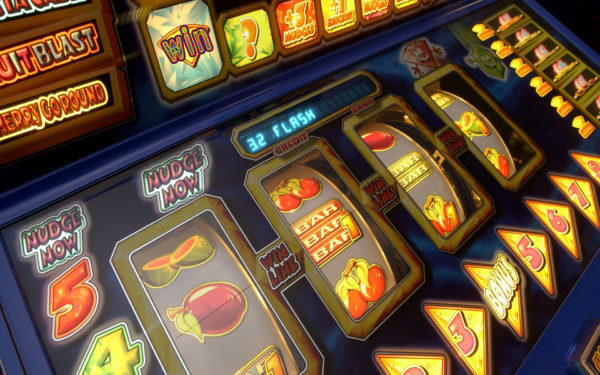
Reinforcement theory is crucial in understanding gambling behavior. Positive reinforcement occurs when an individual experiences a win, leading to feelings of happiness and satisfaction. This reward can create a powerful association between gambling and pleasure, encouraging individuals to repeat the behavior in hopes of similar outcomes. The unpredictability of wins, often likened to a slot machine’s payoffs, enhances this effect, as the anticipation of potential rewards can keep players engaged.
Moreover, intermittent reinforcement, where rewards are given sporadically rather than consistently, can create stronger conditioning effects. This unpredictability creates a sense of excitement that can be addictive, as players believe that the next bet might lead to a win. This psychological mechanism can make it challenging for individuals to recognize when their gambling is becoming problematic, as they are constantly motivated by the hope of future rewards.
Gamblers may also develop a skewed perception of their betting patterns, leading to what is often termed “loss chasing.” After experiencing losses, individuals may feel compelled to gamble more in an attempt to recover their lost money. This behavior can lead to significant financial distress, as the cycle of betting continues without resolution. Understanding this psychological reinforcement is essential for developing effective interventions for those struggling with gambling addiction.
Effective coping mechanisms are vital for individuals who recognize their gambling behavior is problematic. Strategies such as self-exclusion, where individuals voluntarily restrict their access to gambling activities, can provide a necessary break from the cycle. Additionally, support groups can offer a sense of community and understanding, helping individuals share their experiences and learn from others who have faced similar challenges.
Professional help can also be beneficial. Cognitive-behavioral therapy (CBT) is a commonly used approach that focuses on changing maladaptive thought patterns associated with gambling. By addressing the underlying cognitive distortions and emotional triggers, therapists can help individuals develop healthier coping mechanisms and improve their overall mental well-being.
Furthermore, raising awareness about the psychological triggers behind gambling can empower individuals to seek help sooner. Educational programs that highlight the risks and signs of gambling addiction can foster a more informed community, encouraging those affected to reach out for support. Understanding the psychological aspects of gambling can lead to more effective prevention and treatment strategies.
Professional help can also be beneficial. Cognitive-behavioral therapy (CBT) is a commonly used approach that focuses on changing maladaptive thought patterns associated with gambling. By addressing the underlying cognitive distortions and emotional triggers, therapists can help individuals develop healthier coping mechanisms and improve their overall mental well-being.
Furthermore, raising awareness about the psychological triggers behind gambling can empower individuals to seek help sooner. Educational programs that highlight the risks and signs of gambling addiction can foster a more informed community, encouraging those affected to reach out for support. Understanding the psychological aspects of gambling can lead to more effective prevention and treatment strategies.
